


The Digital-First Jewellery Buyer Journey in 2026: What Changes When the Purchase Starts on a Screen
Updated: Apr 28
60% of Jewellery Buyers Have Already Decided Before You Say a Word
Before a customer walks into a boutique, books a discovery call, or clicks "add to basket," they have already done the research. They have scrolled your Instagram, studied your product photography, read your reviews, and quietly compared you to three other brands — all without you knowing.
A 1.19% average conversion rate in jewellery e-commerce means 98.81% of visitors leave without buying. The cause is rarely price or product range. Research consistently points to one structural issue: buyers cannot get enough visual confidence to commit. 60% of online jewellery buyers hesitate to purchase when they cannot see a piece worn in context.
What "Digital-First Buyer Journey" Actually Means
A digital-first buyer journey means the customer's research, shortlisting, and trust-building all happen online — before any direct interaction with the brand.
In 2026, research shows the majority of purchasing decisions will be shaped long before a customer walks into a boutique. Digital discovery, online research, and brand credibility now define how trust is built in the jewellery sector.
This journey is not linear. A buyer might discover a brand on Instagram on a Tuesday, revisit the website on a Thursday from a different device, read a blog post from a Google search on the following Monday, and only then make contact. Each touchpoint is evaluated independently. Each one either builds or erodes confidence.
56% of jewellery buyers research products online before making a purchase — whether they ultimately buy in-store or online.
What this means in practice: a jewellery brand's digital presence is not a marketing channel. It is the first impression, the sales team, and the trust mechanism — all at once.
Why So Many Jewellery Brands Are Losing Buyers They Never Knew They Had
Here is where it gets specific. Those buyers do not behave the way jewellery retail was originally built to serve them. They discover on social platforms, research across multiple devices, compare independently, and complete purchases on timelines that have nothing to do with your store hours or sales cycle.
65% of online jewellery browsing sessions happen on mobile. 45% of online jewellery buyers research via social media before purchase.
So the buyer is on their phone, at 11 pm, scrolling through content. They land on a jewellery brand's Instagram profile. The images are inconsistent — some product shots on a white background, some blurry lifestyle images from two years ago, no context of scale, no sense of how the piece actually sits on skin. They move on. They never come back.
A confusing website, outdated visuals, inconsistent messaging, or weak online presence quietly signals risk to the buyer — before a single word is exchanged.
This is the signal most jewellery brands miss. The buyer did not leave because the price was wrong. They left because the brand did not feel reliable. And "reliable" in 2026 is communicated visually, consistently, and before a single conversation happens.
Where the Journey Actually Starts: The 4 Stages of a Digital-First Jewellery Buyer
Understanding the stages makes the problem concrete:
Stage 1 — Discovery (Passive)The buyer is not actively searching for you. They encounter your brand through a hashtag, a share, a Google result, or a piece of content that appears in their feed. This stage is won or lost on visual quality and relevance. If the content does not stop the scroll, nothing else matters.
Stage 2 — Research (Active)The buyer is now looking. They visit your website, check your social profiles, read your "about" page, and look for reviews. They have browsed collections online, compared price positioning, scanned reviews, and noticed how brands communicate. At this stage, they are evaluating trust signals — photography quality, pricing transparency, content depth, and brand consistency.
Stage 3 — Shortlisting (Comparative)The buyer is deciding between two or three brands. Search ranking conveys authority. High-quality visuals communicate craftsmanship. Reviews reflect service reliability. Educational content signals expertise. Together, these cues determine which brands make the shortlist and which are dismissed early.
Stage 4 — Conversion (and Beyond)The buyer journey does not end with a transaction. Post-purchase engagement through follow-up communication, care guidance, and digital community building plays a crucial role in long-term loyalty. Repeat online jewellery buyers average 3.2 purchases per year. The first sale is the beginning of the relationship, not the end of the journey.
6 Practical Actions That Determine Whether Your Brand Wins or Loses in This Journey
1. Professional Jewellery Photography That Communicates Craftsmanship
A buyer looking at your product page needs to answer several questions from images alone: How does the piece sit on the body? What does the texture look like up close? What is the scale? Does it match the colour described?
The brands closing the gap are not outspending the market. They are out-systematising it. A repeatable imaging workflow, an image library built for multi-channel performance, and a publish cadence that keeps the brand visible across search and social — these are not advantages in a $348bn market. They are the entry requirements for capturing a meaningful share of it.
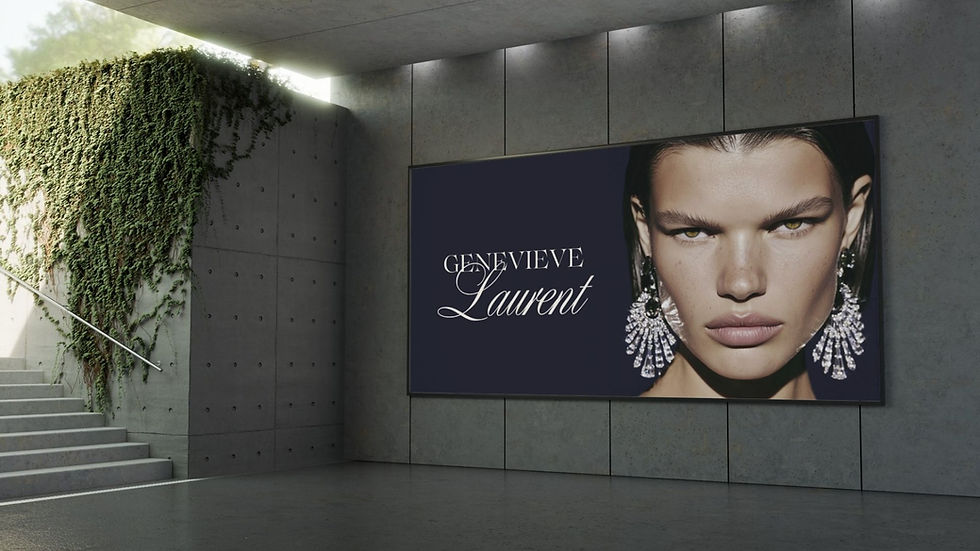
Professional jewellery photography — product shots, lifestyle images with models, detail close-ups, and social-ready formats — is the single most direct response to the visual confidence gap. Without it, all other marketing activity underperforms.

Chocianate Creative Agency photoshoot for the jewellery brand Honey Jewellery. 
Chocianate Creative Agency photoshoot for the jewellery brand Honey Jewellery. 
Chocianate Creative Agency photoshoot for the jewellery brand Honey Jewellery. 
Chocianate Creative Agency photoshoot for the jewellery brand Honey Jewellery. 
Chocianate Creative Agency photoshoot for the jewellery brand Honey Jewellery. 
Chocianate Creative Agency photoshoot for the jewellery brand Honey Jewellery.
Chocianate Creative Agency photoshoot for the jewellery brand Honey Jewellery.
2. A Coherent Jewellery Brand Strategy (Not Just a Mood Board)
A brand strategy defines who you sell to, what you stand for, how you position your pricing, and how you communicate across channels. Without one, every piece of content is created in isolation. Buyers increasingly trust what they observe digitally over what they are told verbally.
If your Instagram says "independent designer," your website says "luxury jeweller," and your packaging says nothing, the buyer absorbs all three signals simultaneously — and the inconsistency registers as unreliability.
A jewellery brand strategy is not a document for internal clarity. It is the architecture behind every buyer-facing touchpoint. It determines which customers shortlist you and which ones walk past.
3. Social Media Content Built Around the Research
Most jewellery brands treat social media as a broadcast channel — they post new pieces, announce sales, and share the occasional behind-the-scenes story. That serves discovery. It does not serve research.
Gen Z buyers move quickly, but they don't buy blindly. They discover jewellery through TikTok and Instagram, check reviews, compare options, and expect a smooth checkout when they're ready. They trust other customers more than celebrities.
Content that serves the research phase includes: process videos that demonstrate craftsmanship, UGC that shows pieces worn by real customers, educational posts that explain materials and sourcing, and storytelling that communicates the brand's values — not just products. 71.2% of US jewellery shoppers aged 18 to 45 said they would pay a premium of 13.6% for jewellery certified as ethically sourced. If your brand has a story about sourcing or process, not telling it is leaving money on the table.
4. Jewellery SEO: Being Found When Intent Is High
High-intent searches like "diamond ring" or "gold necklace" signal proximity to purchase — the buyer has already taken an interest and is moving toward a decision. It is significant that brands match their content with the intent of the user.
Jewellery SEO is about producing content that matches what buyers are actually searching for at each stage of their journey. That means:
Service pages optimised for commercial searches (e.g., "jewellery photography London," "professional jewellery photography")
Blog content that answers specific questions buyers ask during the research phase
Schema markup that helps search engines and AI systems understand your content
Image alt text and file names that contribute to visual search visibility
The organic search channel has long lead times — most content takes three to six months to gain traction — but the returns compound. A jewellery brand ranking on page one for a high-intent search term earns traffic daily without additional spend.

5. Jewellery E-Commerce Product Pages That Remove Doubt, Not Just Present Products
Trust signals beyond visual design — clear certifications, transparent pricing, secure payments, responsive support, and fast performance — are what strengthen buyer confidence on a product page.
A product page that converts is one that resolves the buyer's unanswered questions before they think to ask them. That means multiple image angles, on-model photography showing scale and wearability, detailed material descriptions, and pricing that does not require the buyer to contact you to find out the full cost.
The average order value in jewellery e-commerce in 2026 is $180, with a return rate of 20%. A significant proportion of those returns is driven by products that did not match expectations set by the imagery. Better product photography and more complete product descriptions reduce returns and improve margin.
6. Omnichannel Consistency Between Digital and Physical
For brands that also operate in physical spaces — markets, pop-ups, boutiques, or trunk shows — the digital-to-physical transition is a critical moment. The most successful jewellery businesses create seamless transitions between online and offline experiences. This includes consistent branding, unified pricing, and knowledgeable staff who understand the digital content customers have already consumed.
A buyer who has spent two weeks researching your brand online and arrives at your market stall already has expectations. They expect the packaging to match the website aesthetic. They expect pricing to be the same. They expect the person representing the brand to understand the product story they read about online. Any disconnect at this moment erodes the trust that was built digitally.
Why the Window to Act on This Is Narrower Than It Looks
In 2026, brands using data-driven targeting and AI-powered personalisation are generating up to 3.2x higher jewellery e-commerce conversion rates than traditional campaigns. The gap between brands that have systematised their digital presence and those still operating ad hoc is growing — not shrinking.
28% of Gen Z jewellery discovery happens via social platforms. Signet Jewelers now directs more than one quarter of its entire marketing budget to social media. That is not a trend. That is a structural shift in where the purchase journey begins.
The practical implication is this: every month a jewellery brand operates without consistent, high-quality visual content, without a clear brand strategy, and without search visibility, is a month in which potential buyers are finding competitors instead. The buyers are not waiting. The journey has already started for them — with or without you in it.
If you are an independent jewellery designer or a growing brand preparing for a collection launch, the next concrete step is not to think about all six areas at once. It is to identify which stage of the buyer journey is currently leaking the most trust, and address that first.
For most jewellery brands, the visual confidence gap is the starting point. The photography, the consistency, the platform presence — these are what buyers evaluate before anything else.
The good news is that you don’t have to figure it out alone. We at Chocianaite are here to support you every step of the way. Not sure where to start? Book a free discovery call with us today.


Comments